LOW and SLOW LIGHTENING
LOW AND SLOW: A Question Worth Asking
There's a safer method called the "low and slow" — a very low volume developer, sometimes as gentle as 10 vol, mixed with bleach powder and left in foils for hours. Sometimes five, sometimes eight. The reasoning goes: lower strength must mean gentler process.
I don't think that reasoning holds up, and I think it's worth asking why.
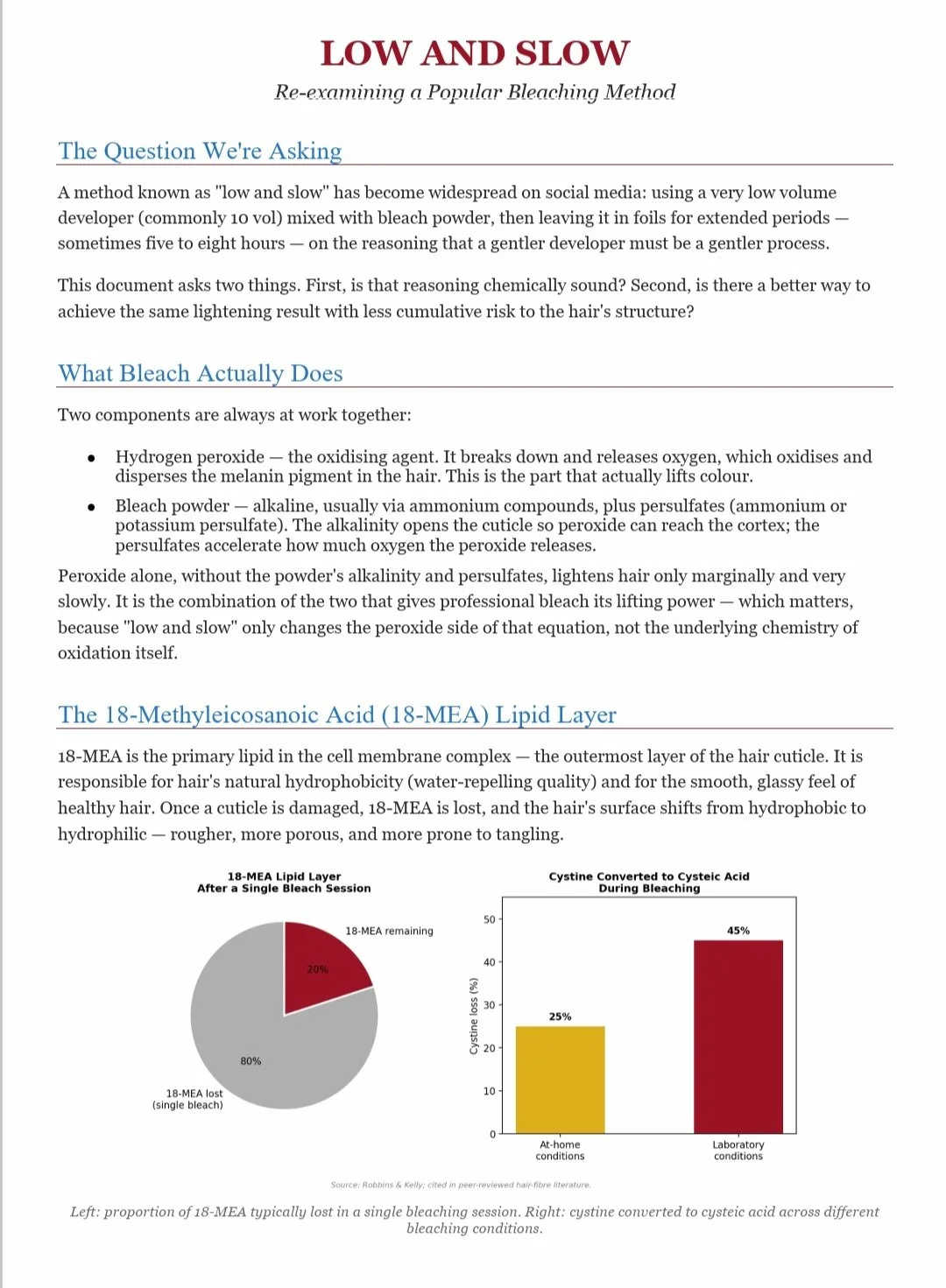
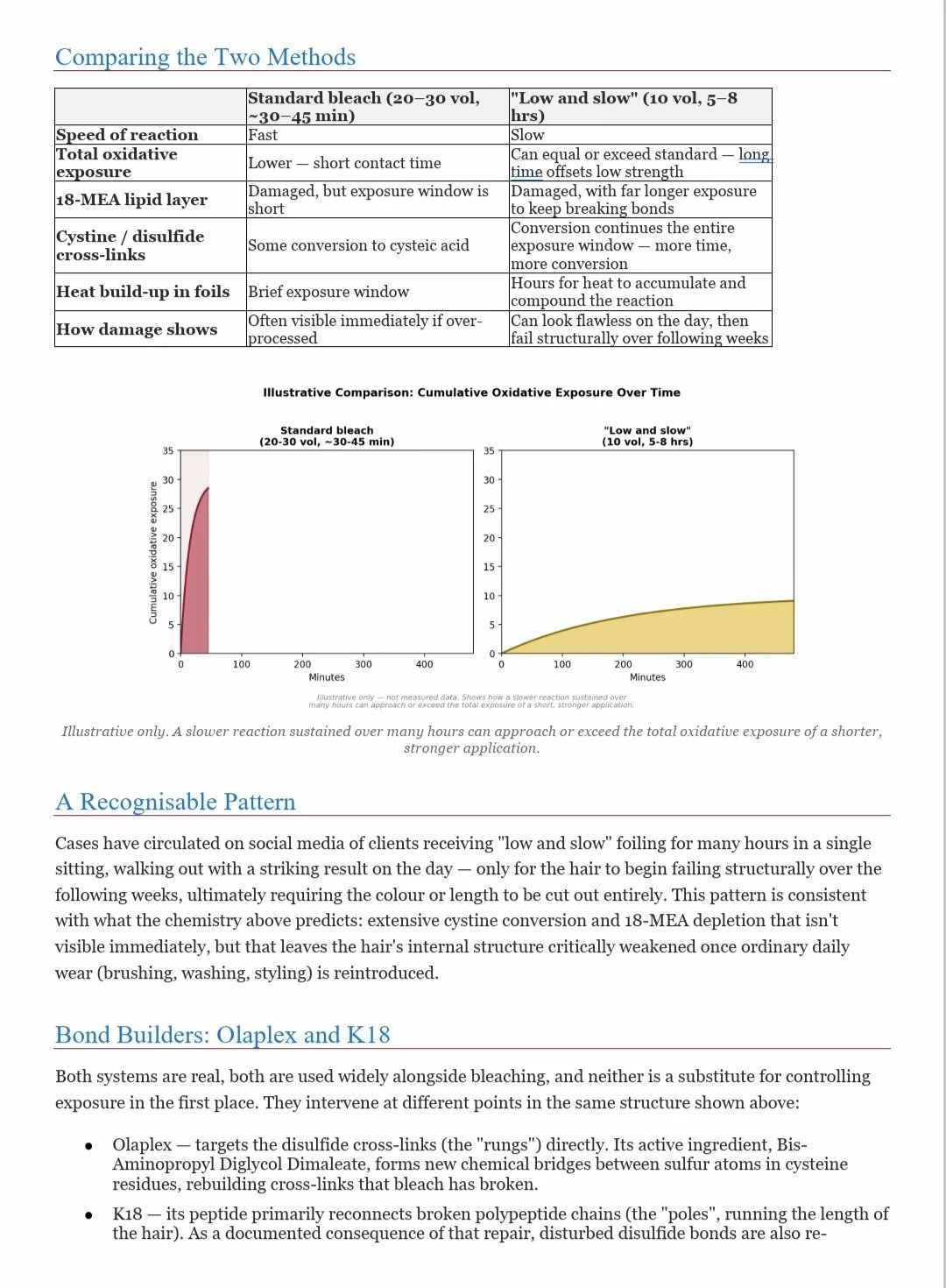
Bleach lifts hair through two things working together — hydrogen peroxide, which does the actual oxidising, and the alkaline bleach powder, which opens the cuticle and accelerates the reaction. "Low and slow" only touches one half of that equation. It doesn't change what oxidation does to hair over time, it just stretches out how long that oxidation is allowed to keep happening.
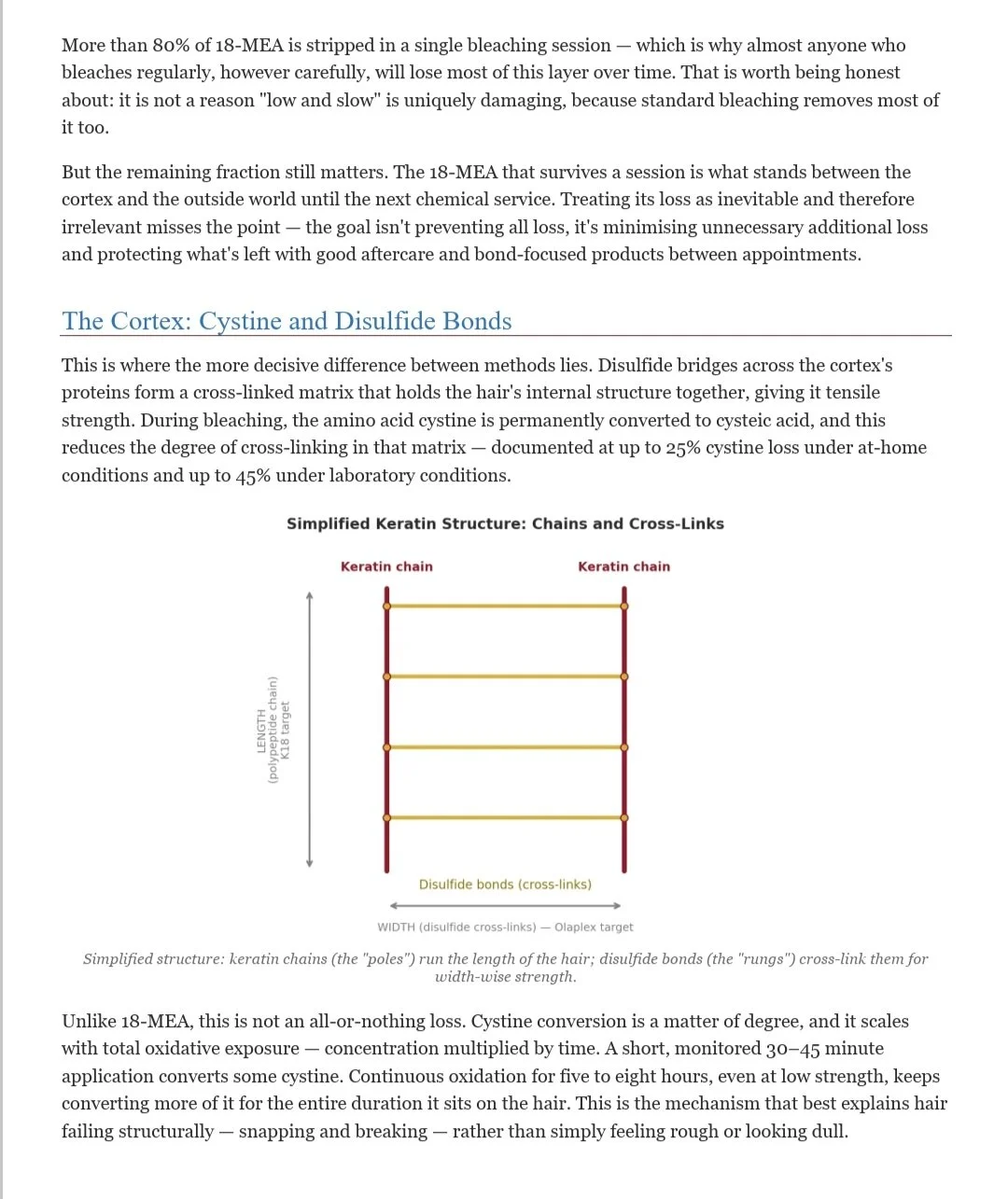
Here's the part that matters most: damage isn't just about strength, it's about total exposure — concentration multiplied by time. Hair's internal cross-links, the disulfide bonds holding its cortex together, rely on an amino acid called cystine. Bleaching permanently converts that cystine into cysteic acid, and that conversion reduces the cross-linking strength holding the hair together — regardless of developer strength. A short, monitored 30-45 minute service converts some of it. Six to eight hours of continuous low-strength oxidation keeps converting more of it the entire time it sits there. That's the mechanism that explains hair looking flawless on the day, then failing — snapping, breaking — weeks later once it goes home and returns to ordinary wear.
There's a practical problem sitting underneath all of this too, one that doesn't get talked about enough: foiling a full head takes real time on its own, sometimes over an hour just to apply. That means the first foil placed and the last foil placed were never sitting for the same length of time to begin with, even before any "low and slow" stretching is added on top. And foils are opaque — once wrapped, there's no way to actually see what's happening underneath. You're working on elapsed time and experience, not on what's visibly occurring to the hair.
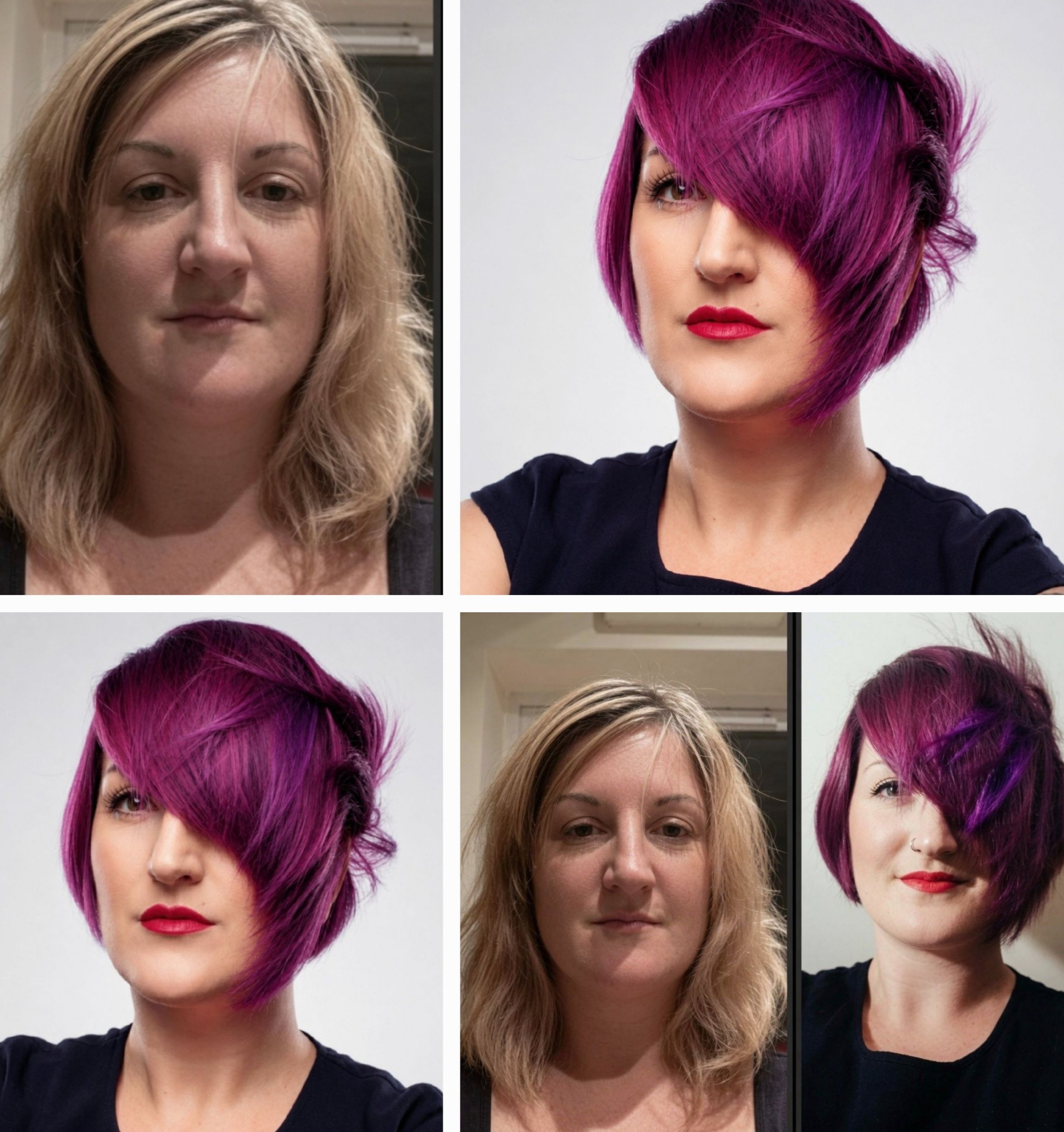
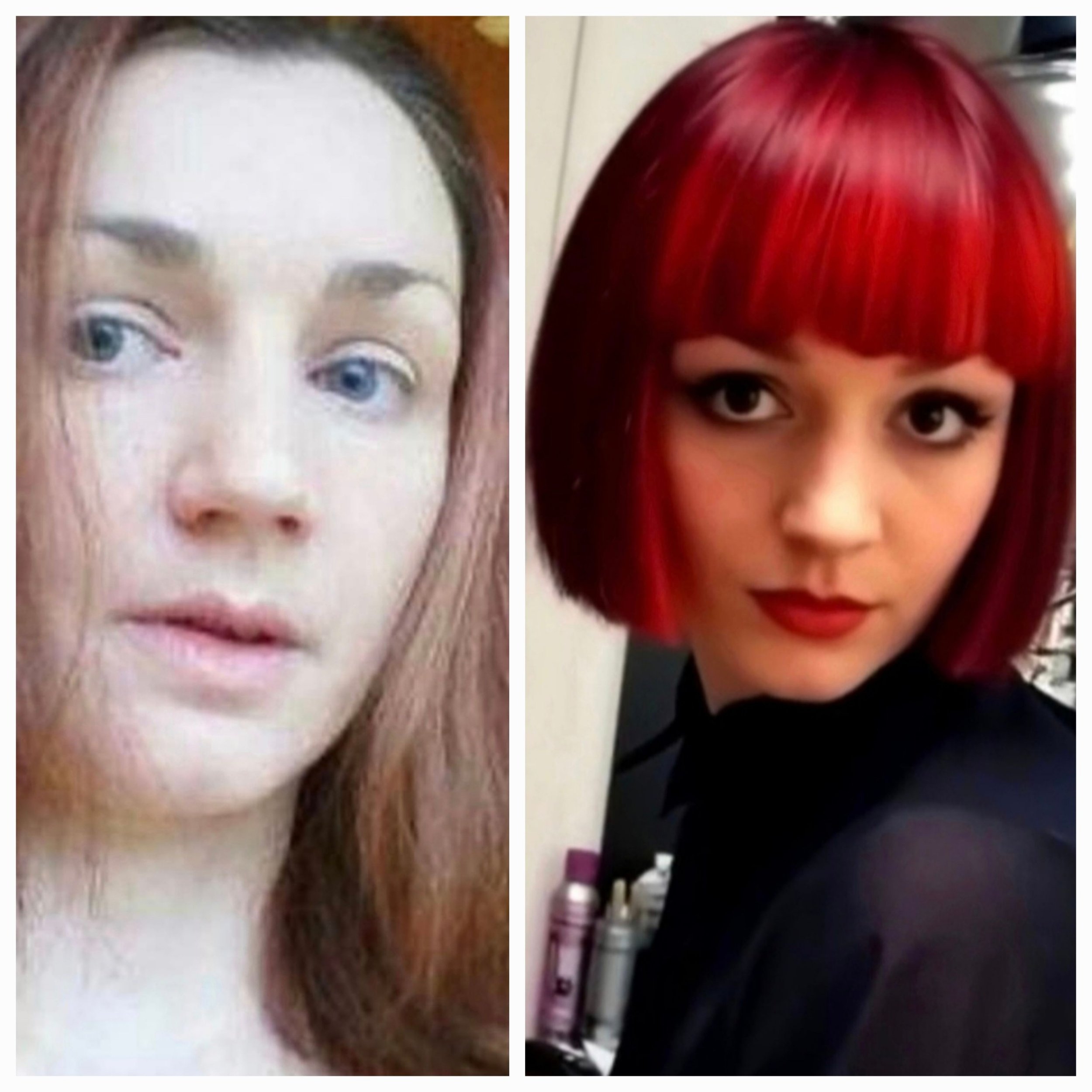
I say all this as someone who spent years watching the aftermath rather than performing the process myself. My own instinct as a stylist always leaned the other way — toward transformation through cut and bold colour placement, rather than chasing lift. Where most salon days revolve around blonde and foils, I found myself doing the opposite: taking someone in with straw-like, over-processed hair and moving them toward a sharper, texturized cut and a saturated, deliberate colour instead of pushing further toward blonde. That was my niche, and it's exactly why I kept noticing this pattern from the outside.
Below is the kind of transformation I mean — limited lift and lightening, just shape and colour doing the work.
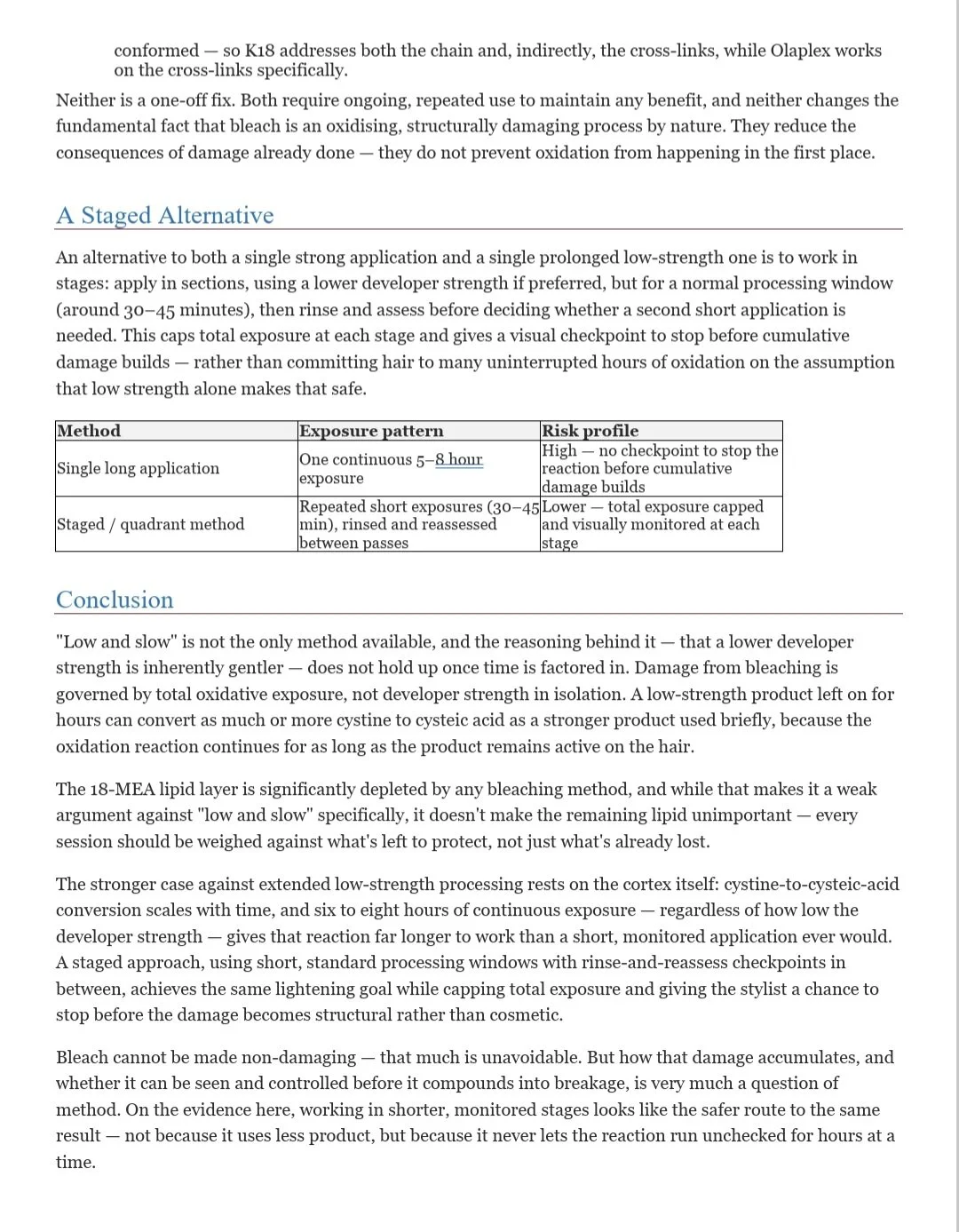
None of this means bleach can be made harmless — it can't. But how the damage accumulates, and whether anyone can actually see it happening before it compounds into breakage, is very much a question of method. Working in shorter, monitored stages — with a way to actually watch the process rather than just time it — looks like the safer route to the same result.
Images: Hair Transformational work I tended to do- leading clients away from foiled bleached blonde’s and identify work