TORII ©️ Hairstyle

TORII© — 2003 - new clothing and aesthetics design 2025
There's a particular kind of disbelief that comes with opening a magazine and finding your own salon's work on the centre spread, sitting next to Trevor Sorbie's.
Sorbie wasn't just another stylist in the industry. He was one of the people who shaped what modern British hairdressing even is — the kind of name every working stylist measured themselves against, whether they admitted it or not. And there, on the same pages, was Daisy's Hair Shop. A small salon in Nuneaton, only seven years into its life at that point, doing maybe one shoot a year if the opportunity came along at all. Chosen by an editor out of however many thousands of submissions must land on a desk like that. It still doesn't quite make sense, in the best possible way.
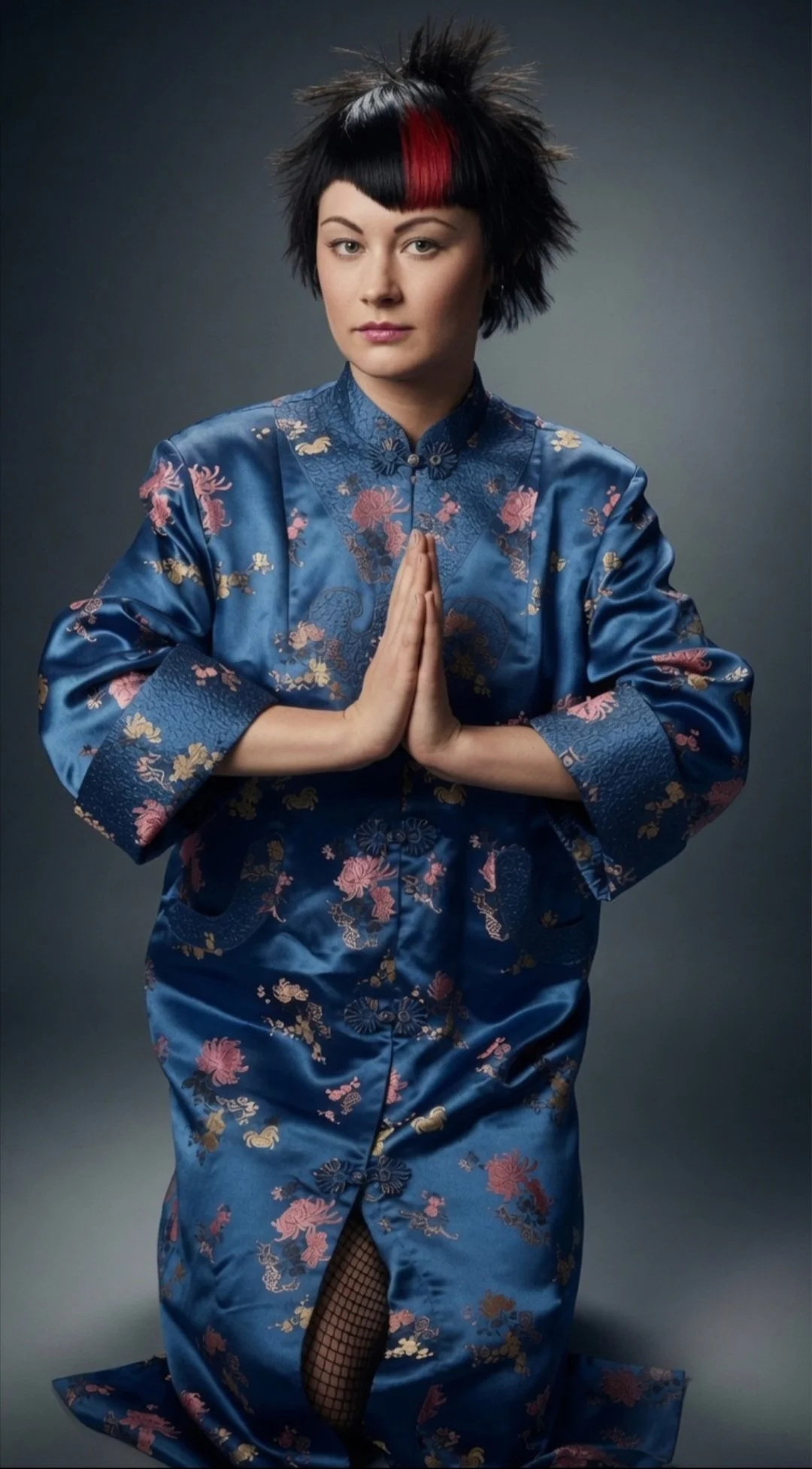
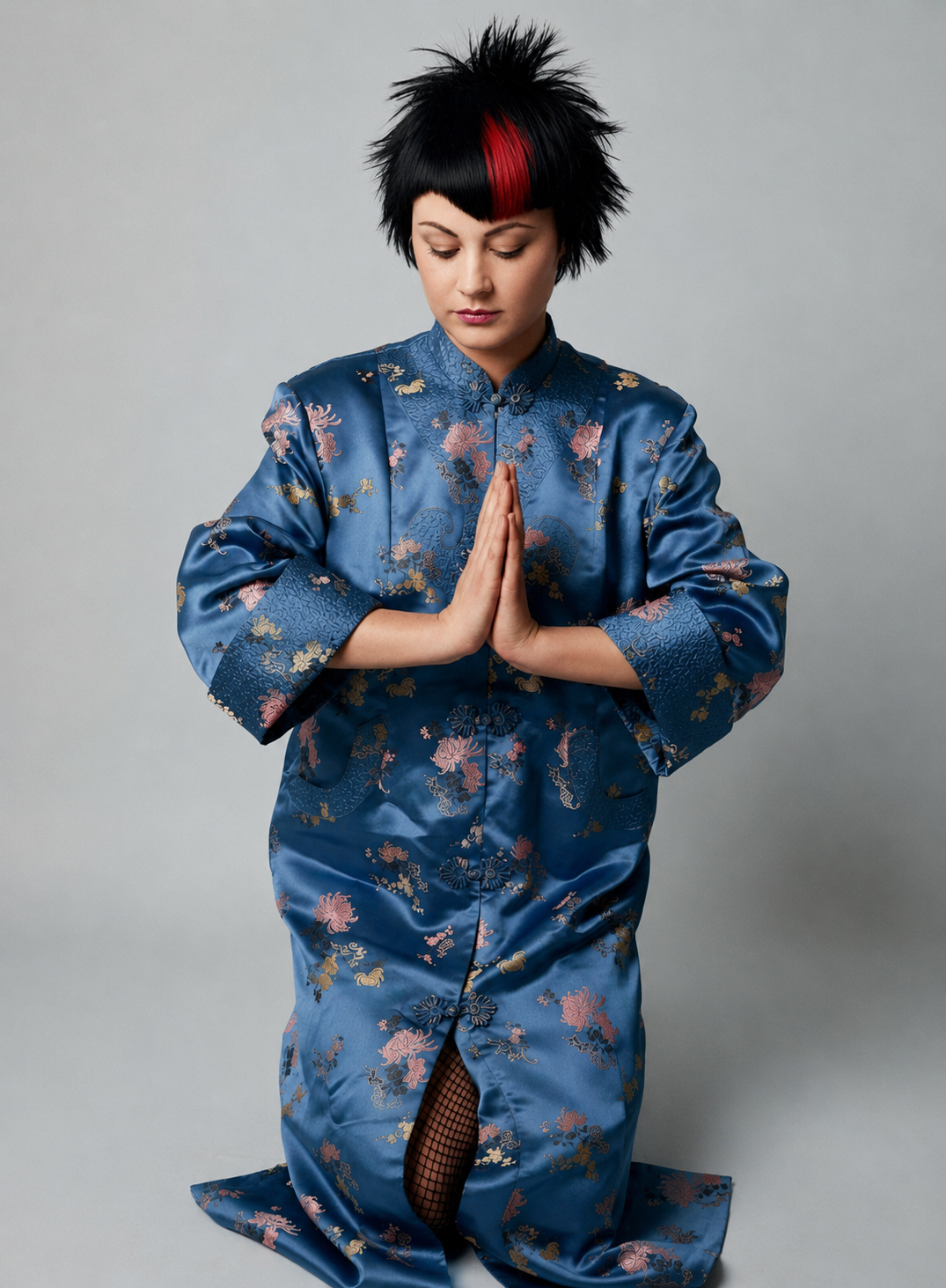
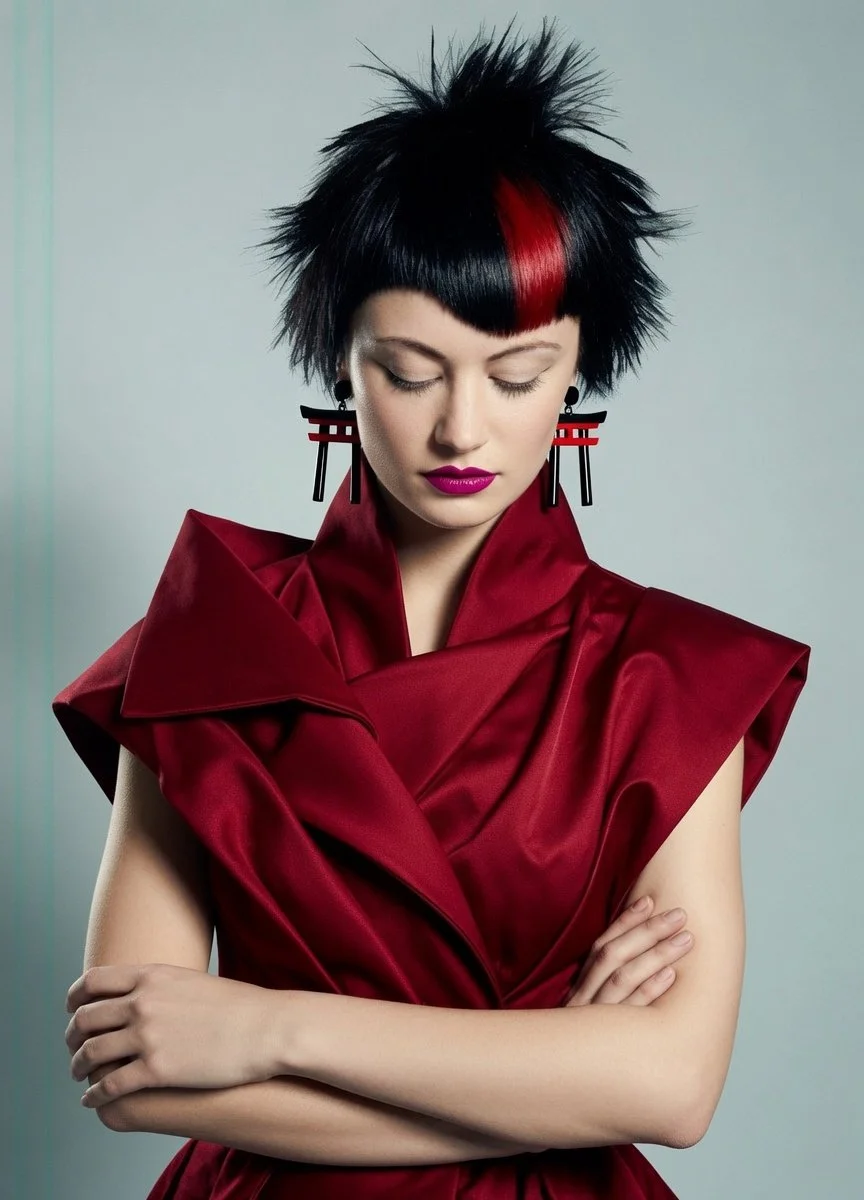
The piece that got chosen didn't start life with a name or a concept behind it. It started as a haircut — a short, spiked crop with a hard block of scarlet running straight through the fringe. The name came afterward, once the finished piece was actually sitting there to be looked at properly. Something about the shape of it — the way the colour ran like a single defined opening through the dark — started to look like a threshold. A gate. Torii.
A torii gate doesn't enclose anything. It marks a point where ordinary ground becomes something else — you walk through it, and nothing physically changes, except that it does. Once that connection arrived, everything else followed naturally: red for protection and the sacred, black for the ground it rises from, small torii-shaped earrings added to make the reference plain rather than left as a private joke only the stylist understood.
It's worth being honest about the conditions this was made under. Daisy's was still finding its identity at this point, and the shoot itself came together more organically than it was strategically planned. Looking back, there's plenty that could have been handled with more preparation and a sharper eye on the finer details. That's not false modesty — it's just what's true, and it doesn't take anything away from what the work achieved despite it.
What's stayed strongest, looking at it now, is the simplest part: that one flash of red, framing the fringe, lighting its shape from beneath. The fringe makes its own argument, plainly. Fringes don't have to sit one way. Here's another way.
Some names arrive before the work is finished. This one arrived after, once the work had already said what it needed to say.