AVANT-GARDE? - WHY?
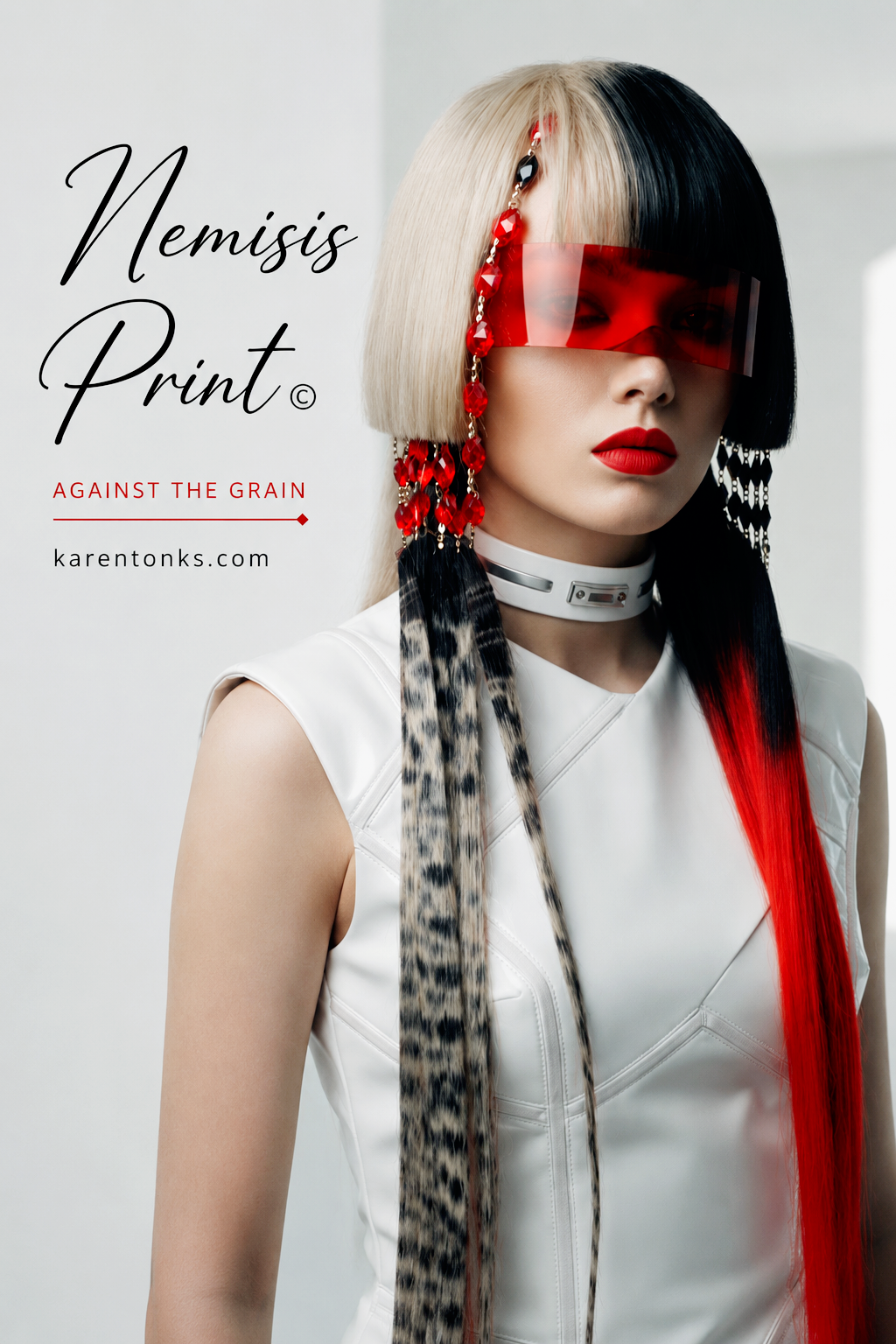
Avant-Garde: The Part of Hairdressing That Doesn't Pay the Bills, and Why It Still Matters
Avant-garde means, literally, advance guard — the ones who go ahead of everyone else. Aesthetics is the philosophical study of beauty and taste. Put those two words together in hairdressing and you get something the industry rarely talks about honestly: the work that isn't meant to be worn on a Tuesday, but exists to push the whole craft somewhere it hasn't been yet.
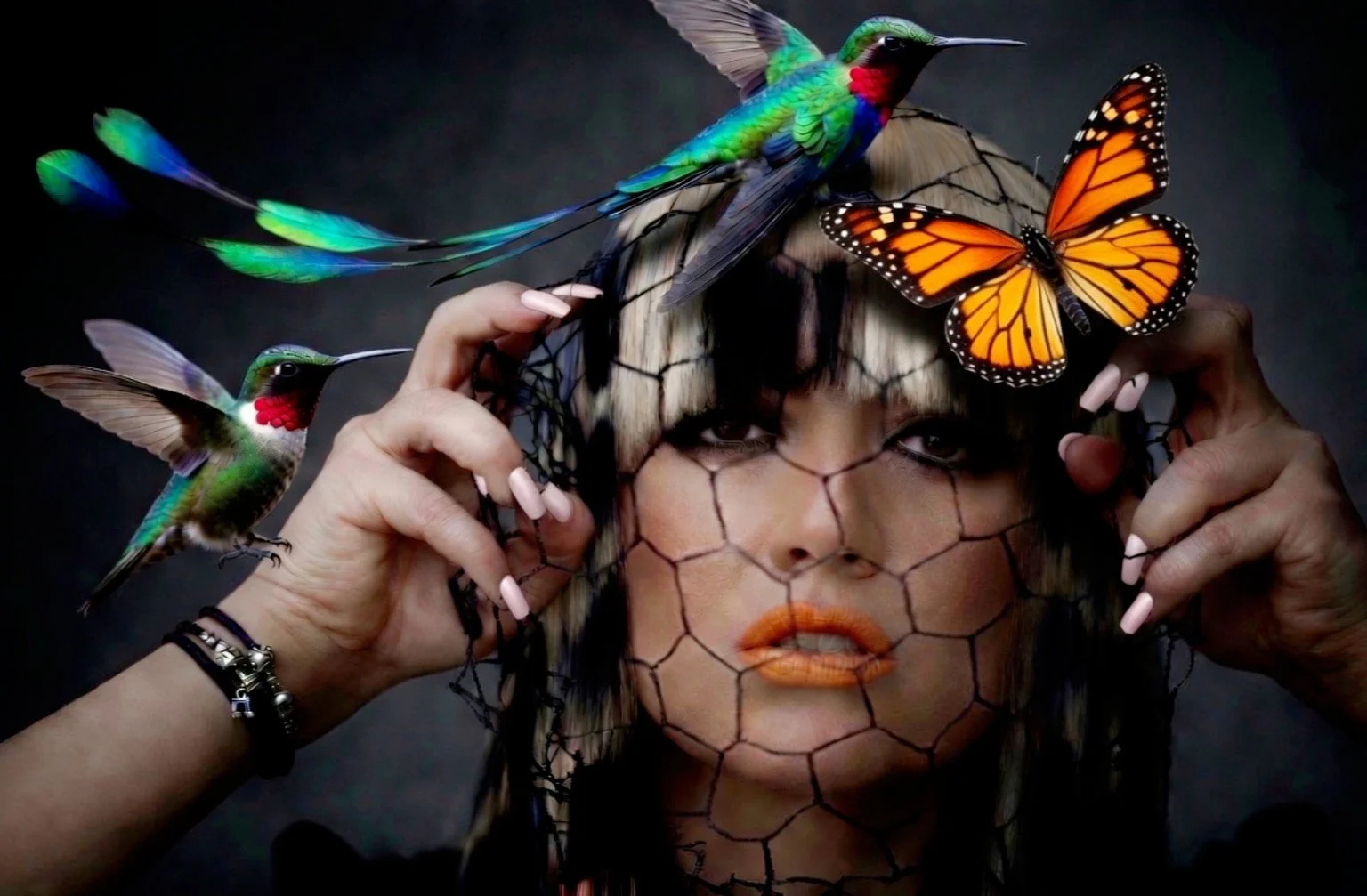
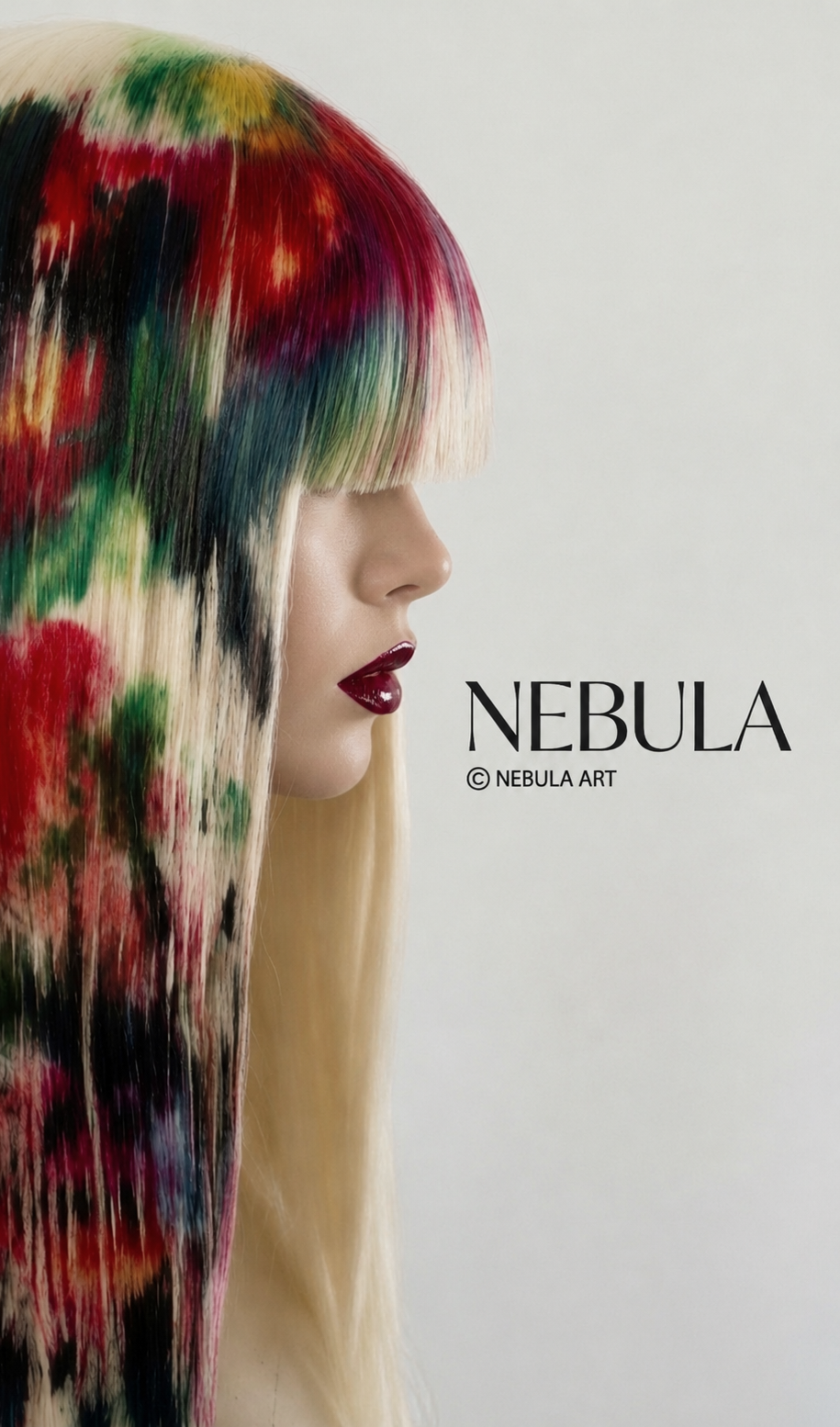
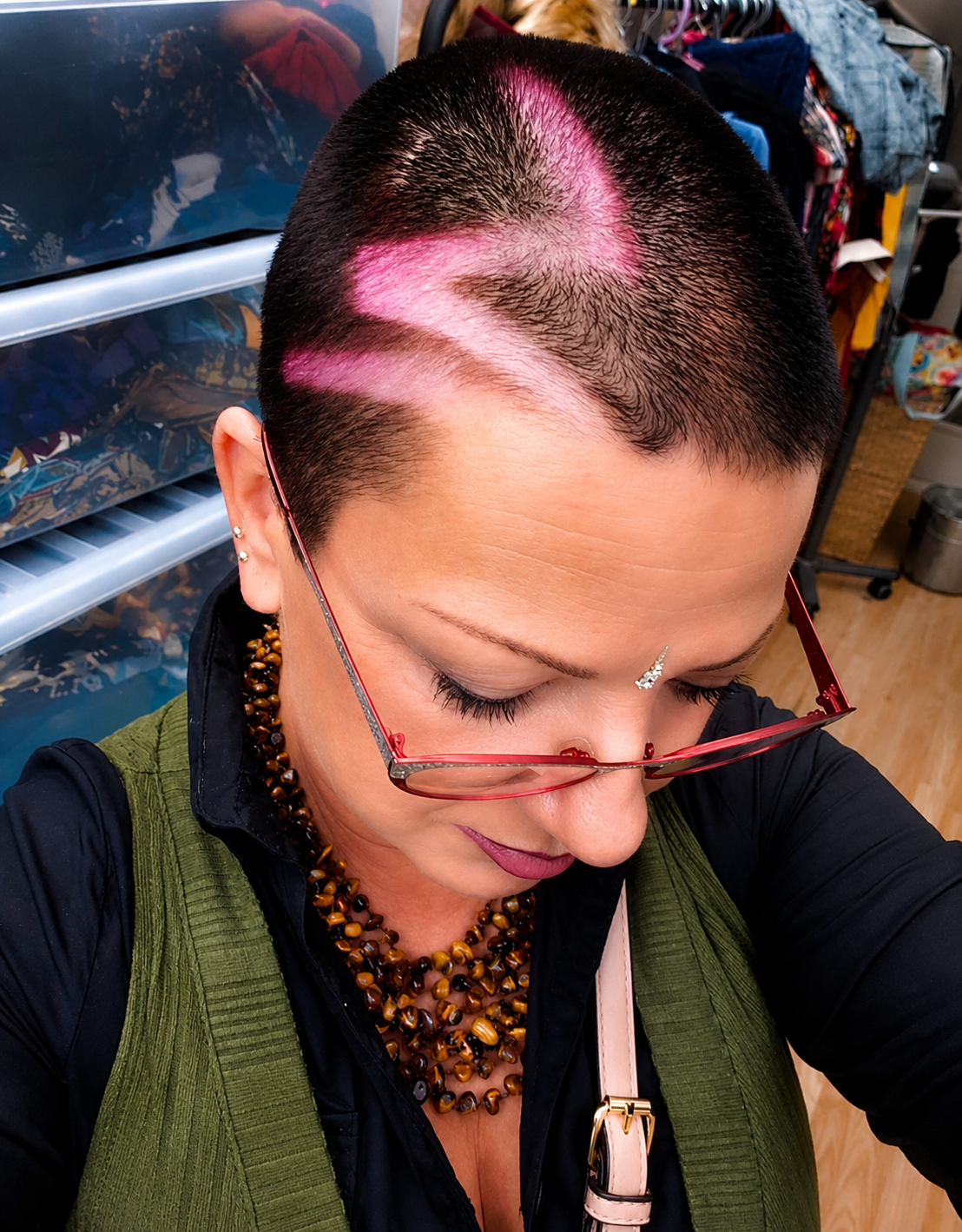
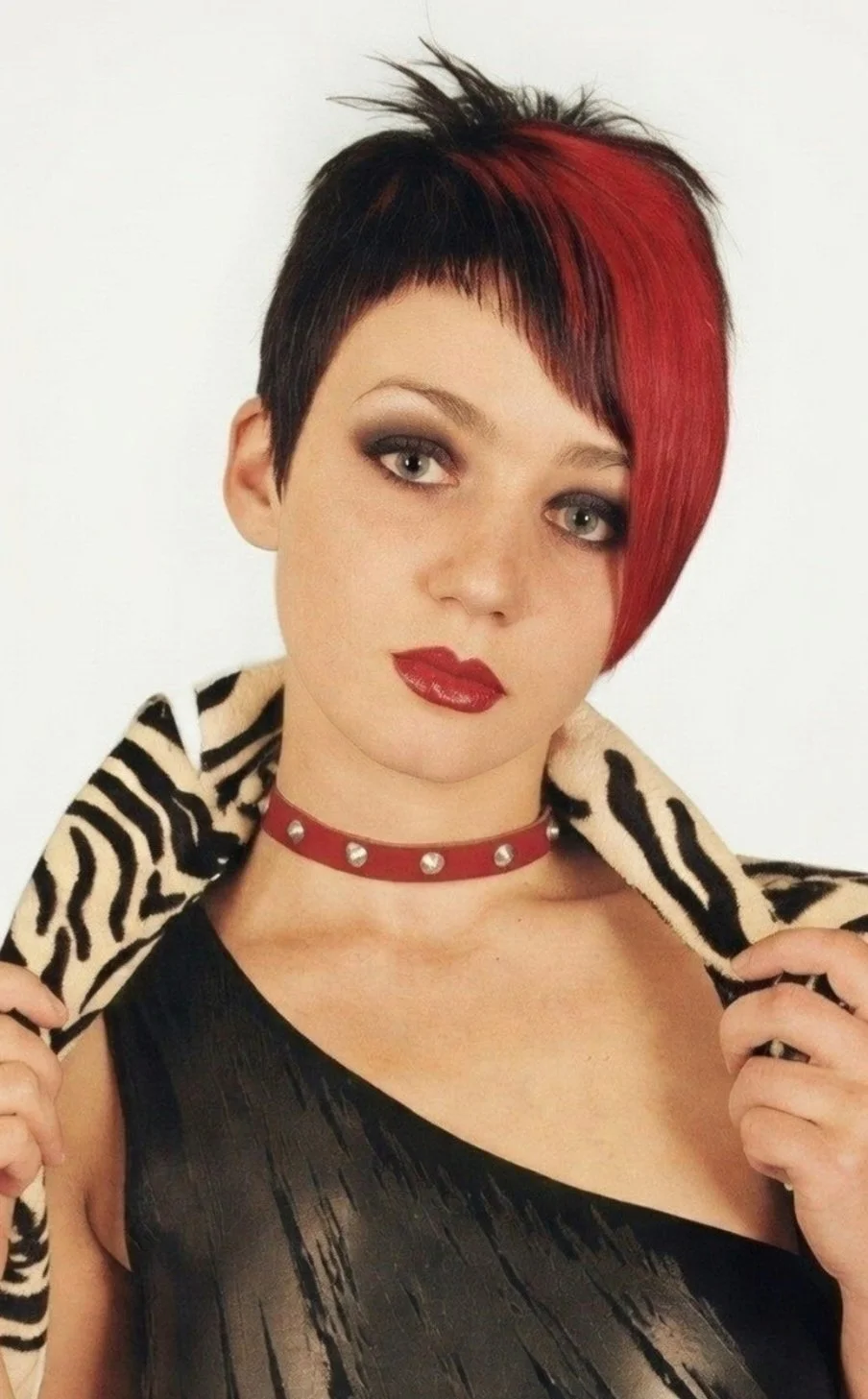
Alternative and avant-garde hairstyles, like their counterparts in fashion, are usually bold, unusual, and look more like a piece of art than a finished commercial look. They're not designed for everyday wearability — they're statements. They challenge existing ideas, processes, form and function. Experimental by design, featuring unusual shapes, colours, asymmetrical construction, sometimes resembling historical art movements like Cubism. The inspiration is genuinely endless. Through layering, texture and colour, you can create a striking visual effect that conventional hairdressing was never built to attempt. Whether anyone else finds it beautiful is, frankly, a matter of subjectivity — and that's fine. It's meant to be.
Here's the part worth being honest about: avant-garde work doesn't drive consistent economic growth for a salon. The vast majority of clients walking through any door want conventional, classical cuts and colours, built on symmetry, balance, colour, movement, pattern, and weight — for entirely practical reasons. Conventional looks are simplistic and wearable in everyday life, and that's exactly what most people need from a hair design. There's even a long-standing aesthetic principle behind that pull toward balance and symmetry — the golden ratio, the roughly 1.618:1 proportion found in classical art and architecture, still used today as a loose guideline for facial harmony. It's not a hard rule, and most aestheticians treat it as exactly that — a reference point, not a law — but it does help explain why conventional, balanced looks will always be the commercial backbone of this industry. Avant-garde styles will never take off as a mass trend, and they were never supposed to.
So why does it matter at all, if it doesn't pay?
A few reasons, and I think they're underrated. Creative freedom, combined with structure and technical knowledge under one roof, produces an environment where intentional learning and growth actually happen — not despite the art, but because of it. A brand willing to showcase avant-garde, alternative work is a brand willing to break out of the status quo and general mediocrity, and when a business goes stagnant, that stagnation seeps into the whole team's psychology, not just the bottom line. Creativity tells a broader story: that the brand is willing to stand above the precipice of competition. Done well, it captures the team's imagination and the public's too, and it's genuinely good marketing when shown alongside the traditional, wearable looks that actually pay the rent.
It speaks volumes in terms of courage, as well. It's far easier to follow the crowd than to break into new territory within your own sector. That doesn't mean throwing away what's proven — most things stay consistent because they work, and that's not a flaw, it's just how systems function. This isn't about reinventing the wheel. It's about understanding that every wheel is made slightly differently, and a system built on repetition and consistency still benefits from a small amount of novelty.
Knowledge sharing encourages a team to think differently, to offer creative ideas without judgment or ridicule, and that builds a genuinely formidable team over time. More than anything, it keeps the work interesting and fluid, rather than leaving people feeling like a mere machine in the cog. There's no single template for organic creativity — it lives in the heuristics of trial and error — but it does encourage experimenting with shape, contour and colour within the right boundaries, and there's real joy in being creative. Intentional learning and growth follow naturally once that kind of environment is allowed to flourish.
We already know alternative showcasing yields a low percentage of a business's actual growth, but it's still valuable for marketing and for everything sitting underneath the marketing. The larger share of economic growth comes from excellence, and from consistently producing wearable, simplistic looks — that's where the fundamentals of technical ability become essential to a business's survival. Those attributes bring the dominant yield of profit and reputation, and that's never been in question.
But creative projects, and the encouragement to pursue them, showcase a team's actual potential. They're good for teamwork, good for marketing, and they provide a sense of pride, value, and belonging to something genuinely worthwhile. Showcasing creativity acts as a satellite to a much wider sphere — it doesn't carry the business on its own, but it signals, outward and inward, that this craft is still alive as art, not just as a service.
That's the part I keep coming back to. Excellence pays the bills. Avant-garde work reminds everyone in the building why the bills were worth paying for in the first place.
Go and think for yourself. The world has enough copies.