Botanica © — When Hair Learns to Bloom
BOTANICA© — When Hair Learns to Bloom
Some ideas live in your head for years before the world’s technology catches up enough to let them out as you visualized them in your head.
Botanica© was one of those ideas.
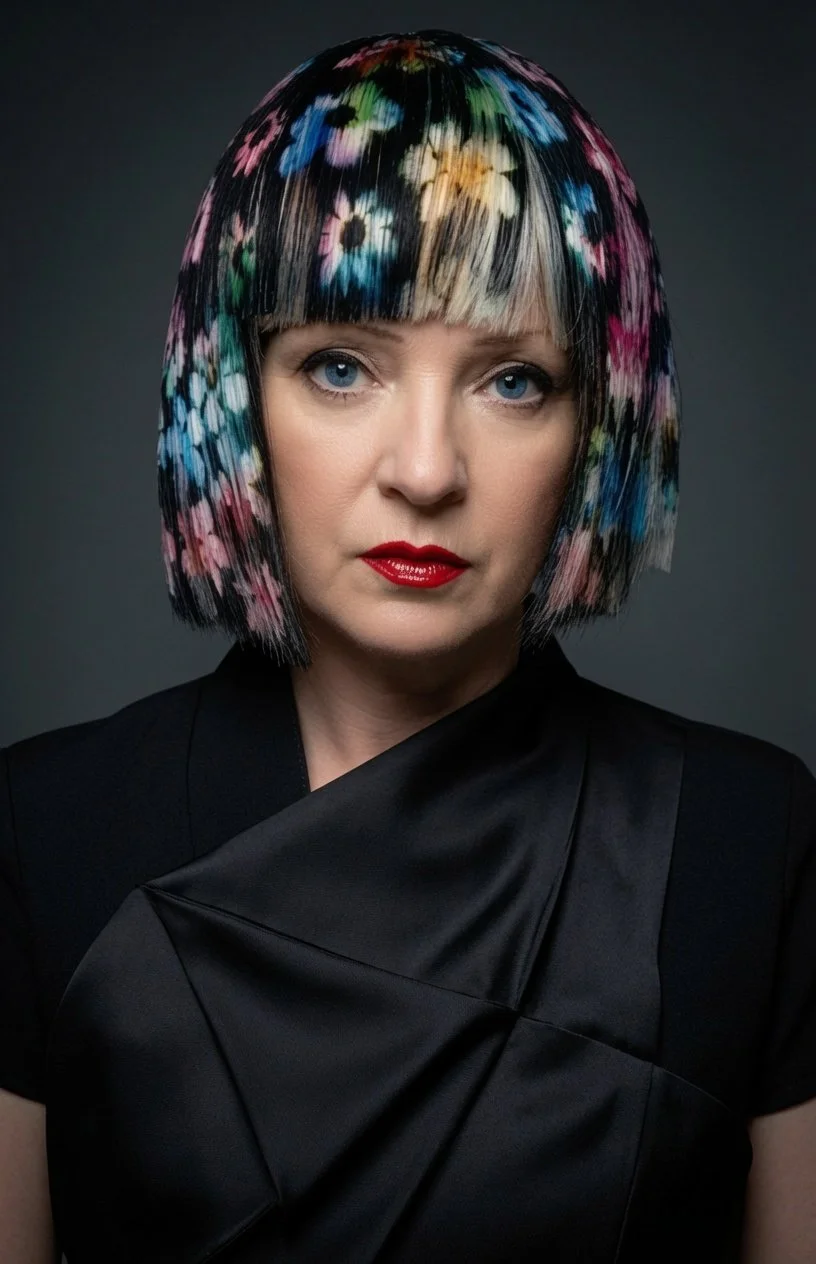
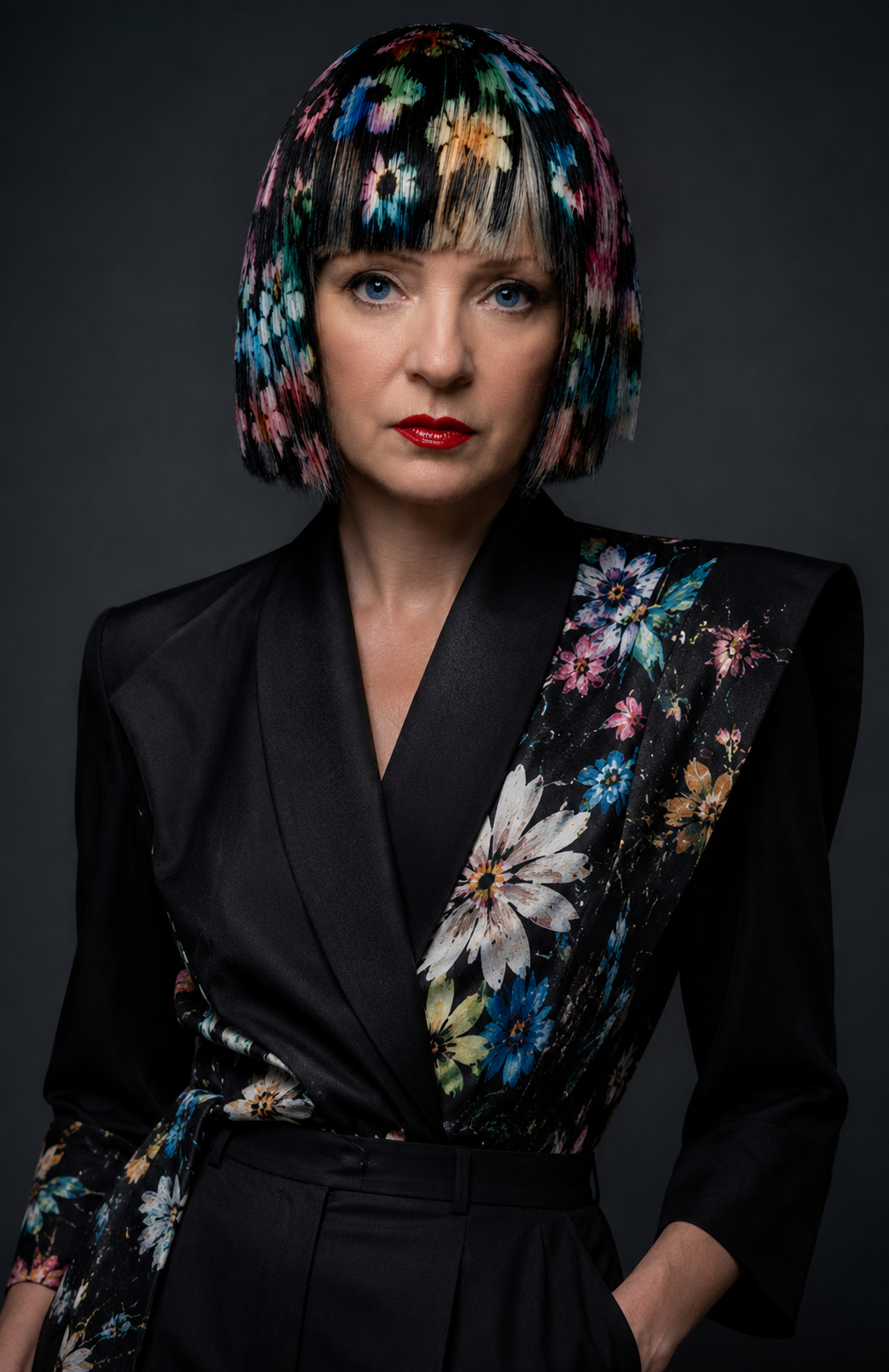
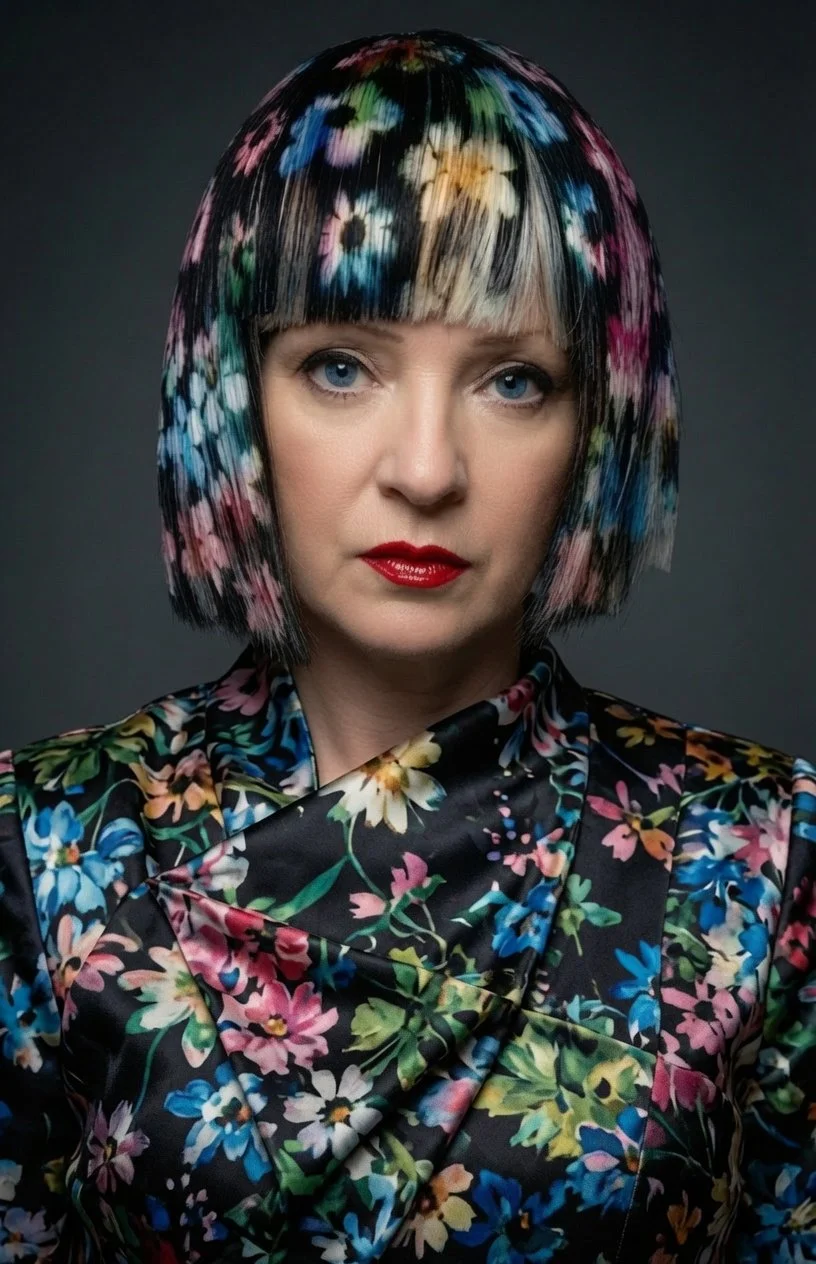
The face looking back at you is mine albeit a younger mine.
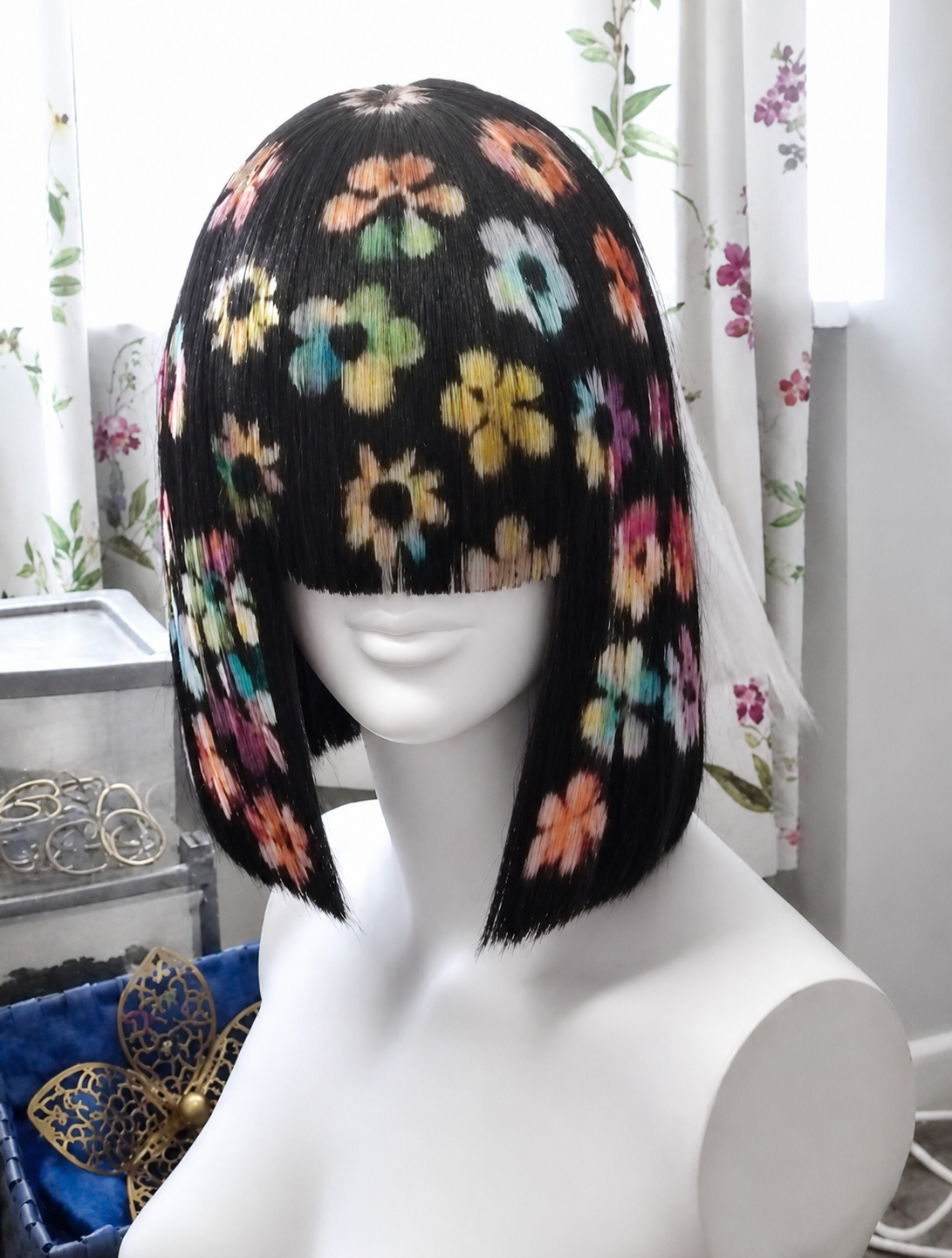
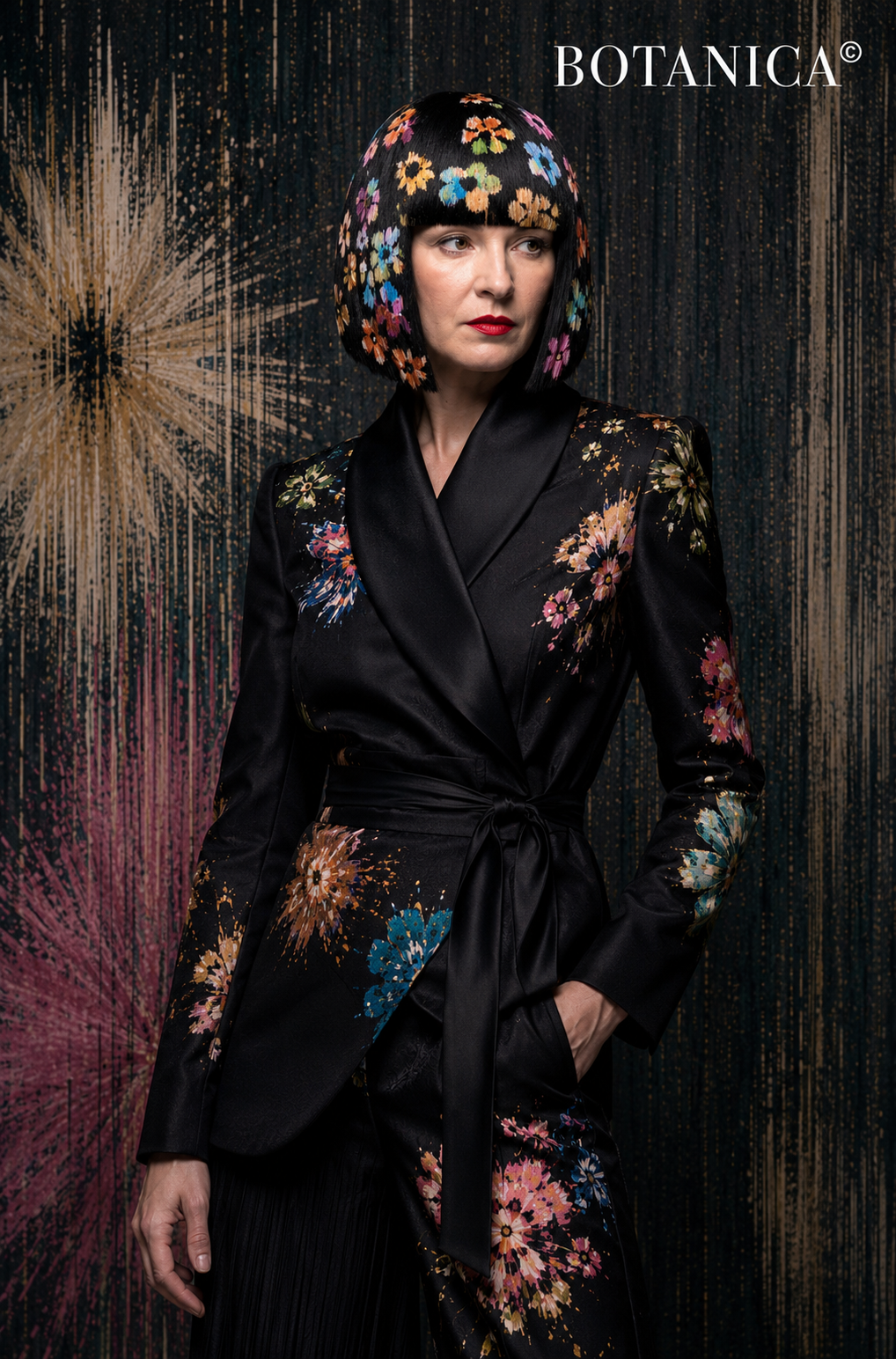
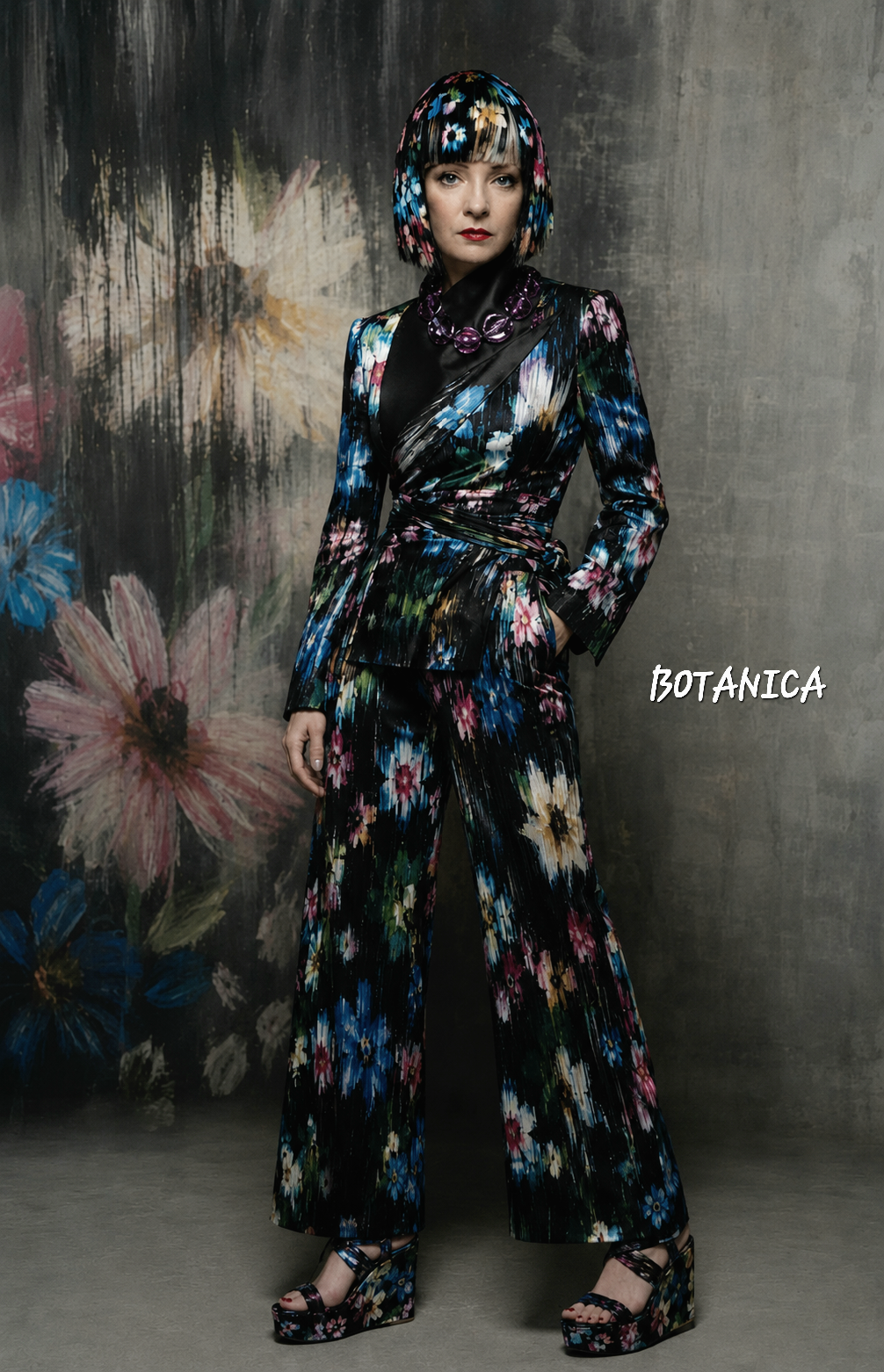
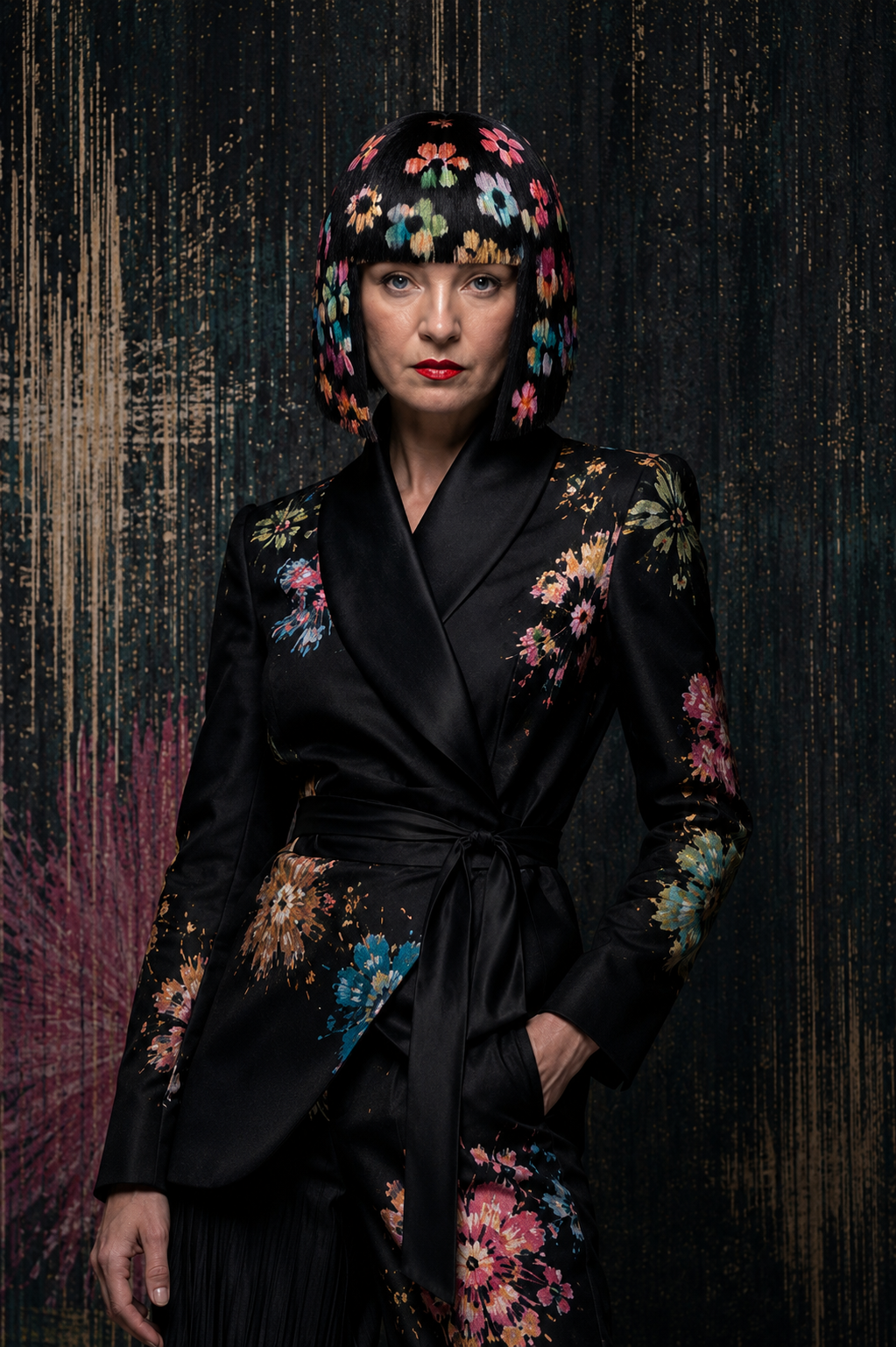
red lipped — and the botanical hair is real. That wig was made and worn in 2015, created with florals running through black using the resist art method.Years later, AI reinterpretation carried that original work somewhere the room alone couldn't take it — the botanical clothing, the editorial backgrounds that matched the theme.The whole finished world around it.
It even added a few inches of height that don't exist in real life, five foot one at most, which still gets a laugh every time because by my estimates the woman in these images looks near to six foot! Ah still lovely to dream hey.
But the wig, the hair, the idea itself — that was real, made by hand, years before any of this technology existed to dress it up. And that's really the point behind most of this work. It was never about handing over a finished answer. It's a question put out into the world, left open for people to sit with, disagree with, or finish however they like. New technology simply made it possible to finally show, outwardly, a world that had only existed in the mind until then — hair behaving like flowers, an outfit turning botanical too. Not because any of it made logical sense. Just because why not. Art was never meant to answer anything. It's meant to ask.
Botanica© belongs to a period best described as Painterly Textiles — 2015, a stretch of pure curiosity where hair stopped being hair and started being material. Giverny© and Maru© were born from that same period, along with many others, all circling the same question: what if hair could be treated like paint, like fabric, like something with no fixed rules at all? Maru© itself was a quiet homage — Yayoi Kusama filled entire rooms with dots, covered everything she could reach, and yet never once put them on her own hair. That felt like an open door worth walking through. It was freedom from years and years behind the chair, doing the sensible thing, the mainstream thing. This was the opposite of sensible, and that was entirely the point.
That summer, Mum lived next door. We'd stand talking over the garden fence in the sunshine, and every so often there'd be another new wig creation to show her — bolder than the last, colours and shapes nobody else was doing, although i’m quite sure they did but i hadn’t seen them. She'd just watch, delighted. Mum adored the Linda Evangelista bob that had been all over Vogue in the 1990s — textured, almost chimney-sweep short in the fringe, like something out of Oliver Twist — and it excited her so much it became both of our next haircuts. Mine went pillar box red, worn with black cherry lipstick. Hers went a warm chocolate mid-brown, with glimmers of lighter tones through it that looked hugged by the sun, lifting the texture out beautifully.
Botanica© isn't a style anyone would ever ask for at the chair, and it was never meant to be. These weren't made for joy alone — that's just what happened alongside the making. Creativity doesn't stand still. Whatever the mind visualised got made, for as long as it was possible to make it. Mum understood that too. She watched every version of it, delighted, because she understood exactly what it was: a mind that couldn't stop reaching for the next thing. Some of the best memories of her aren't the polished ones. They're the two of us laughing over a fence at something completely new, made by hand.
Botanica© was never meant to look like real flowers, and it doesn't, not quite — hair won't hold a floral shape the way fabric or paint can. But that's where the negative space does its work. The gaps, the breaks in colour, the way the pattern almost resolves and then doesn't — that's what makes it feel abstract and cool rather than literal. It didn't need to be a perfect flower. It needed to be a question. What you see in it, and whatever you'd have done differently, is entirely yours to finish.
That's really what art is for — not to arrive at answers, but to try, sincerely, to put something new into the world that wasn't there before.
Sometimes the mind wanders further still. Botanica© sitting outside a coffee shop in New York, and right beside it, Maru© — polka dots and all — with Yayoi Kusama herself, chatting away like old friends who'd always known each other.
Back to reality here. Dreaming was nice for a while.
please know support is out there. NHS Talking Therapies, Mind (0300 123 3393), and the Samaritans (116 123, free, 24/7) are all there to listen.