WE ARE KINTSUGI
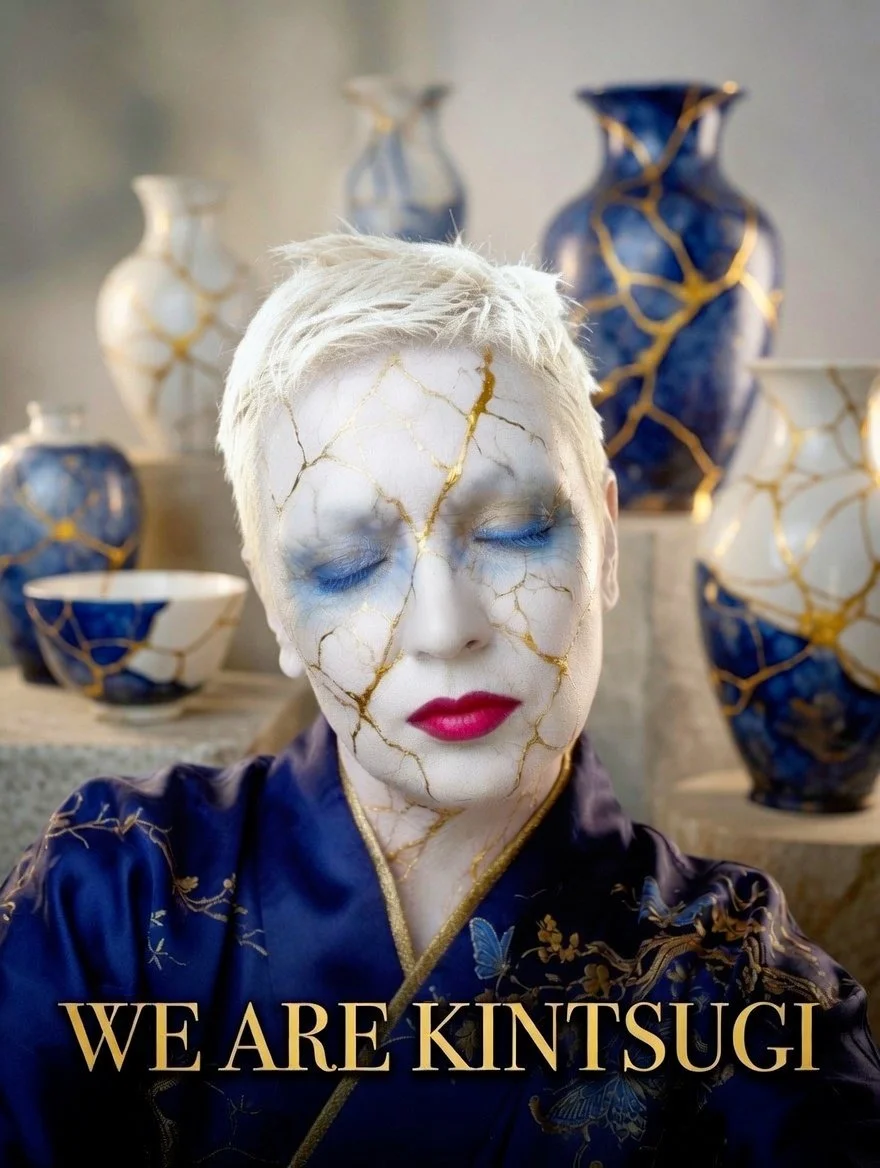
We Are Kintsugi
There's a legend from 15th century Japan about a shogun named Ashikaga Yoshimasa and his favourite tea bowl. When it broke, he sent it to China to be mended. It came back patched with ugly metal staples — functional, but the damage was hidden away rather than honoured. Dissatisfied, he asked his own craftsmen to try again. They filled the cracks with lacquer and gold dust instead. The bowl came back transformed — not disguised, but more beautiful for having been broken.
That's kintsugi: golden joinery. And it isn't really about pottery.
Most of us carry cracks somewhere — grief, illness, violence, loss, the ordinary wreckage of being alive. The instinct is often to hide the break, to patch it quietly and hope no one notices the join. Kintsugi offers a different instinct: let the crack show. Let it catch the light.
This isn't just a nice metaphor. Psychologists have spent thirty years studying what's called post-traumatic growth — the documented pattern of people finding new depth, closer relationships, or a clearer sense of purpose after surviving hardship, not despite it. It doesn't erase what happened, and it isn't guaranteed or automatic. But it's real, and it's been observed across bereavement, illness, assault, and disaster survivors alike. Our brains are also more adaptable after injury than we tend to assume — capable of reorganising around what's happened rather than staying permanently fractured by it.
None of this means suffering is good, or that anyone should have to go through it to become "more whole." It simply means the break doesn't have to be the last word. We don't return to who we were before. We become something else — often wiser, sometimes harder in places, but rarely less whole.
The gold isn't in the wound. It's in what we choose to do with the seam.
I’m not suggesting i’m there yet or that any of us should be- but with help and support maybe we’re all Kintsugi
We are not the cracks. We are what we make of them, together.
If this has stirred something difficult, please know you don't have to sit with it alone — talk to someone you trust, or reach out to:
Samaritans: 116 123 (free, 24/7)
SANEline: 0300 304 7000
Mind Infoline: 0300 123 3393
National Domestic Abuse Helpline: 0808 2000 247
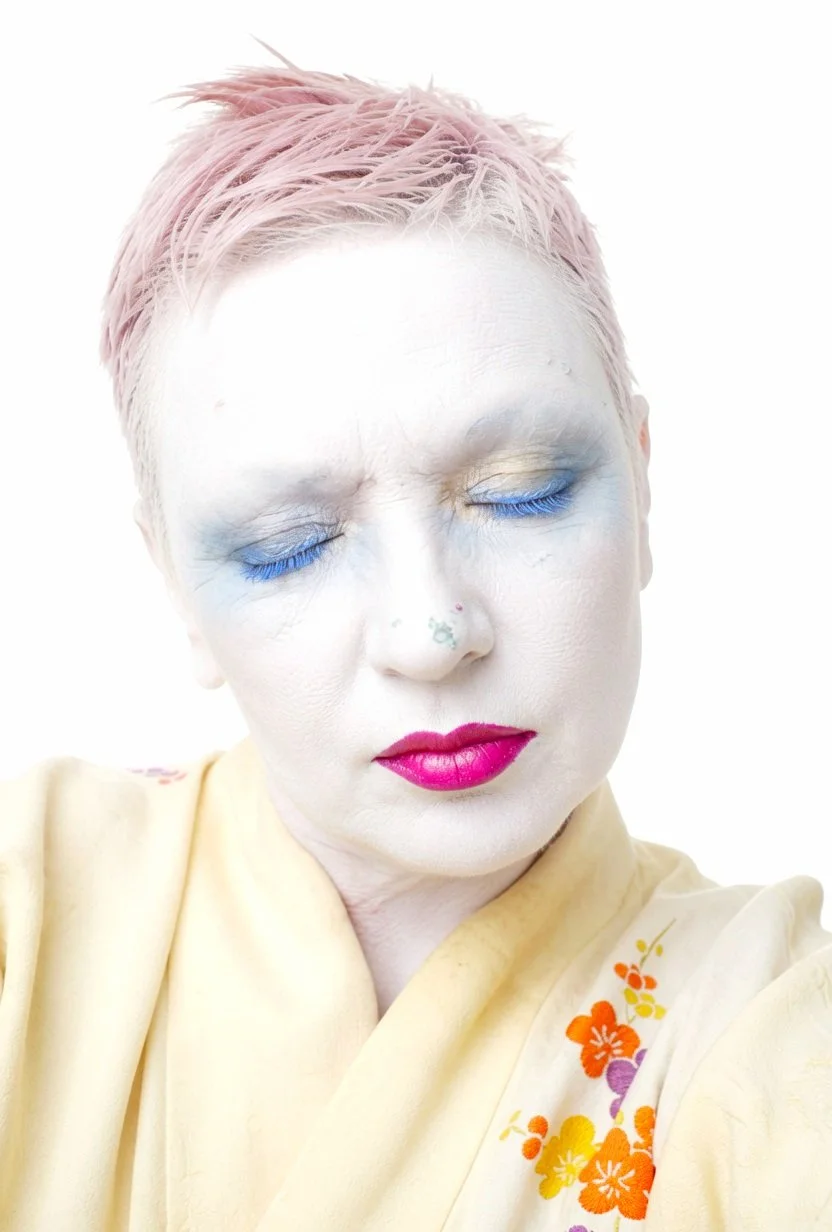
Image below: image from 2014/2015 as part of a masking metaphor piece of work.